MONASTIC SILENCE
Source
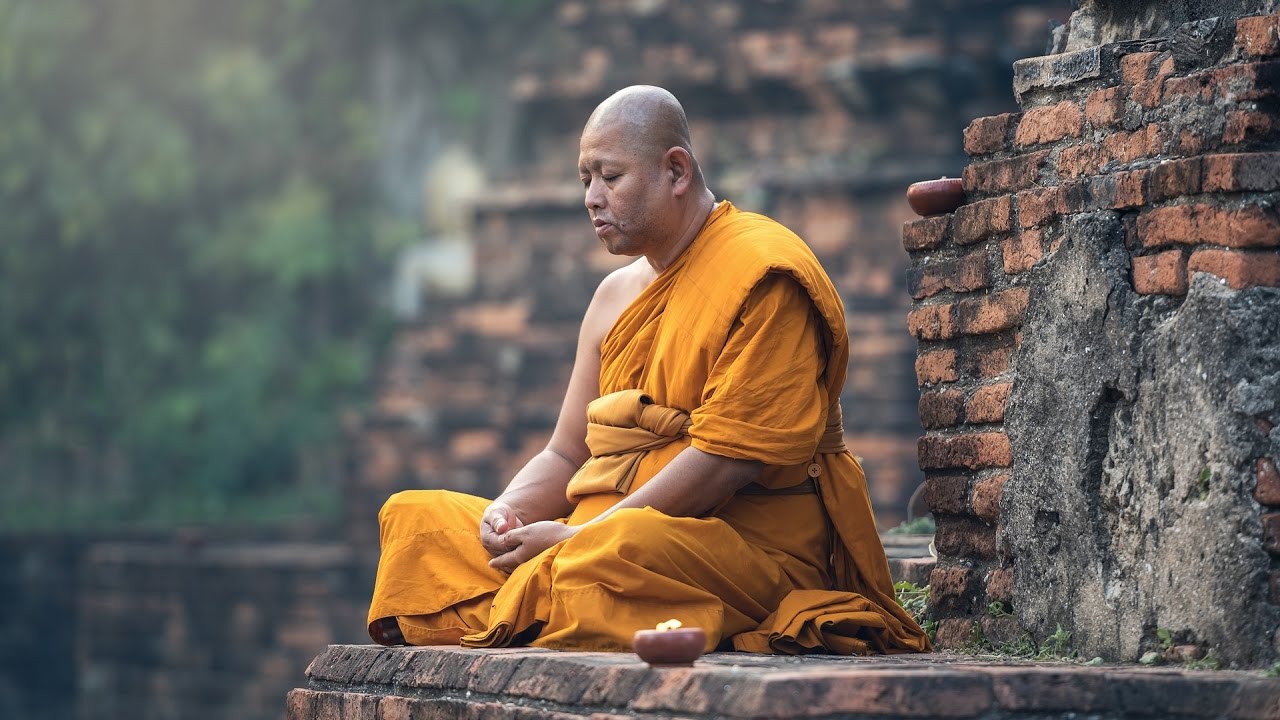
When you think of monastic silence, many people think of a silencious monastery with monks who shall not speak. The truth is, monastic silence does not work like this. No religion includes the vow of silence in the vows of a religious member. However, silence is common and no words are spoken unless they are useful. “Speak only if it improves upon the silence,” said Mahatma Gandhi. In fact, monks do not waste their voice if it is not useful. They will speak mainly to communicate about work, to participate in community dialogues and to talk about spirituality with one another. De facto, there are places or religious moments where one must remain silent unless an emergency occurs. For example, in cistercian abbeys, silence shall remain in the refectory, in church, in corridors and before or after some prayers.
Silence is considered a virtue. One should not speak nor write to be able to listen to oneself or to other people. By suppressing distractions, one can concentrate on their thoughts and enter a meditation state. Silence is not a sign of wisdom and some disciples may remain silent in order to learn meditation, self consciousness (called Svadhyaya in manashanti yoga), and to listen to their masters. A vow of silence can be taken by anyone, for only a few hours, a few days, months, or sometimes even years. In India, a silent monk is often called Muni. The vow of silence is called Mauna, it is a spiritual retreat. Mahatma Gandhi was one of the most famous Muni. Silence and meditation are not only religious practices. Nowadays, many atheists follow the precepts of Buddha through meditation or seek interior peace in a retreat in monasteries. Some monasteries open their doors during a period of the month to anyone who wants to learn with them.
But, silence might also be dangerous. We live surrounded by sounds, voices, music, and we are not used to living without it. During retreats, people face many feelings. Introspection can be tough as we are alone with our thoughts and some quit before the end of the journey. Plus, silence can be responsible for conflicts. Absolut silence remains in not speaking, verbally or not, which includes body language and writing. You must enter a state of contemplation. Doing so is a break up of communication. Greatest conflicts begin with a lack of communication.
THE ORIGIN OF SIGN LANGUAGE

ANECHOIC CHAMBER

WOMEN IN CHINA